What is a green completion, and how does it cut flaring during well testing?
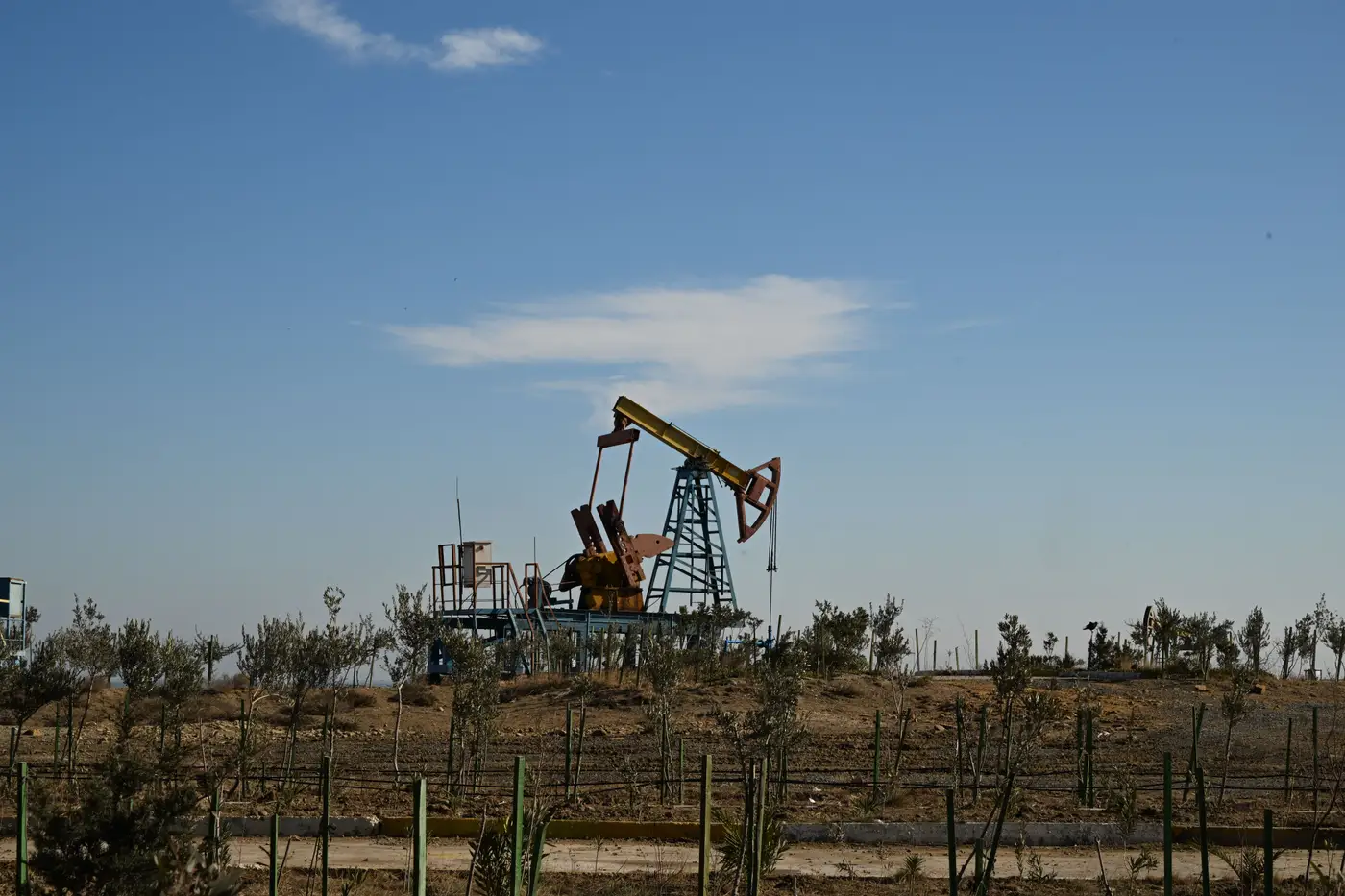
When a new well gets drilled, it has to be tested before it can tie into a gathering line. That testing phase, called flowback, used to mean routing the gas straight to a flare stack for days or weeks while crews cleaned up the well. A green completion skips that step. Instead of burning the gas off, the operator brings in portable separators and compressors on site during flowback, captures the gas and liquids as they come up, and routes the gas into a sales line or uses it on site. The flare stays dark, or close to it, for a flowback event that would otherwise have shown up as a multi-day burn.
What counts as a green completion
The industry term is "reduced emission completion," or REC, and EPA built it into New Source Performance Standards as the default expectation for new and modified gas wells (you'll see "quad O" as shorthand in permit files). A full green completion means the flowback gas gets captured and sold or put to beneficial use rather than flared or vented. A "completion combustion device" is the fallback when capture isn't feasible on site, and even that is supposed to be a controlled flare with a pilot light, not the uncontrolled burn that used to be standard on every new well.
For a regulator reviewing a permit file, or an analyst working through an operator's methane disclosures, the distinction matters. "REC" or "green completion" on a well record means the flaring you'd expect during testing largely didn't happen. If that same well shows up in nightly flare counts with a multi-day burn right after its completion date, that's worth a second look.
The gap could be equipment that didn't reach the site in time, equipment that arrived but wasn't hooked up yet, or a mechanical problem that forced an emergency flare outside the plan. Any of those is a different story than the one in the permit file.
Why flowback gas capture changes what you see in the data
Flowback gas capture also changes the shape of flaring data over a well's working life, not just during the completion window itself. Wells that go through a proper REC tend to show a short, low-volume flare signature at startup, if any, rather than the days-long burn you'd see from a straight-to-flare completion. That makes green completions a flaring reduction technique that's visible in satellite-based flare counts, not only in an operator's self-reported compliance paperwork.
This is where the cross-check matters. Operator disclosures describe what equipment was supposed to be on site and what the completion plan called for. They don't always line up with what actually burned in the field. A basin with a high reported rate of green completions but a flare count that keeps showing multi-night burns at new wells has a gap somewhere between the paper and the acreage. That gap is exactly what a flaring reduction program, an ESG fund's emissions model, or a state enforcement priority list needs flagged early, not surfaced at year-end reporting after the fact.
None of this requires guessing at the completion technique from the flare alone. A nightly count and size read on flares across an operator's acreage, set against permit records and reported completion dates, shows where a well-testing flare ran longer or bigger than a green completion would predict. That's the kind of cross-check Flare Monitoring is built to supply: a nightly flare log that sits alongside the self-reported numbers instead of standing in for them.
If you're tracking flaring as a proxy for production activity across a monitoring area, pull the nightly log and see where the completion-stage burns don't match the paperwork.