Field notes: the night three flares lit up a basin that reported zero
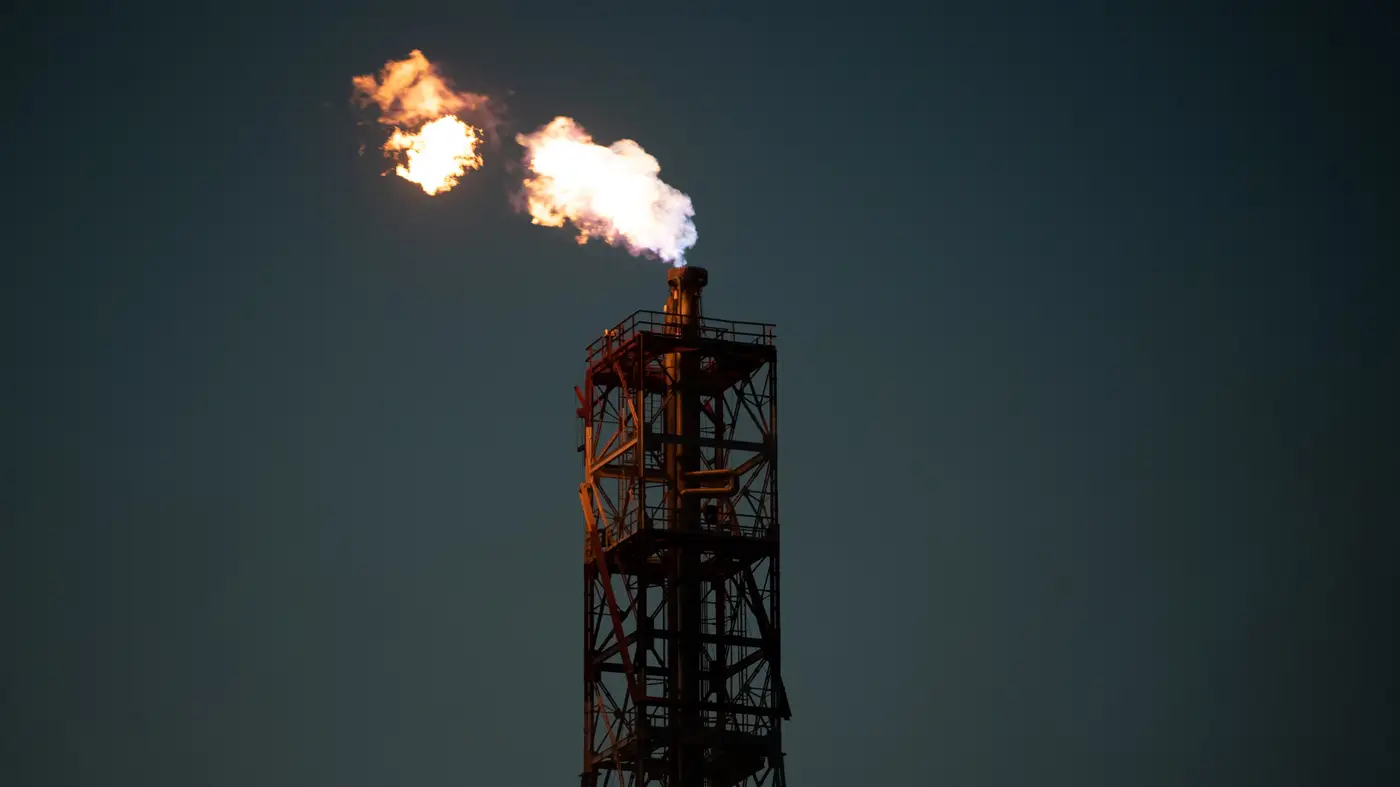
Three flares, one night, one basin. The filing for that basin that quarter said zero routine flaring. Not "reduced." Not "under review." Zero.
This is the kind of mismatch that doesn't show up in a spreadsheet until someone goes looking for it. Operator reports get compiled annually or quarterly, rolled up from pad-level logs, reconciled against equipment downtime, and submitted on a form that was designed before continuous monitoring was cheap. A flare that burned for six nights in a reporting period that spans ninety days is easy to lose. Not through any dark intent, necessarily. Through the simple mechanics of self-reported data moving slower than the thing it's reporting on.
A nightly log doesn't have that lag. It just has three bright points in a SWIR pass, sitting inside a lease boundary that, on paper, had nothing burning.
The shape of the pattern is what makes this one worth writing up. The three flares weren't continuous: they came and went across eleven nights over five weeks, consistent with intermittent associated-gas venting during a completion push rather than a steady flare someone simply forgot to log. That timing tells you more about what produced the gas than any accusation of dishonesty would. It points toward completion activity rather than routine production flaring, which is exactly the inference an ESG desk or a compliance analyst wants to make without picking up the phone and asking the operator.
None of the three sites were new. All three had permits on file, had flared before, and carried a line item in an earlier filing for "flaring, routine, minimal." The zero reads like a rounding error that compounded over several filing cycles, probably because whoever filled out the form that quarter started from the prior quarter's number and updated only the parts they remembered.
This is the part regulators and fund analysts tend to talk past each other on. A regulator cares whether the filing itself is defensible, whether the number on the form can be traced to something. A fund analyst tracking flaring as a production proxy cares whether the gas that burned corresponds to oil that got produced and sold, because that ratio feeds directly into an emissions-intensity number somewhere downstream. Both of them, in this case, wanted the same thing: a count of nights flared and a rough read on flare size, independent of what the operator chose to write down. Neither of them got it from the filing. Both of them could get it from a nightly pass over the basin.
None of this means operator filings are worthless. Most of what's on them is accurate, and the filing is still the only place certain information lives, like equipment IDs and the stated reason for the flare. What a nightly log adds is a second, independent line that doesn't wait for a quarterly cycle and doesn't depend on anyone's memory of what burned in week three.
Flare Monitoring was built around that second line: a nightly count and rough size read across a monitoring area, built to sit next to the filing rather than replace it. If your basin's next filing says "no routine flaring" and you'd rather have a nightly log to check that against, the waitlist is the place to start.