Field notes: the flare that only burned on weekends
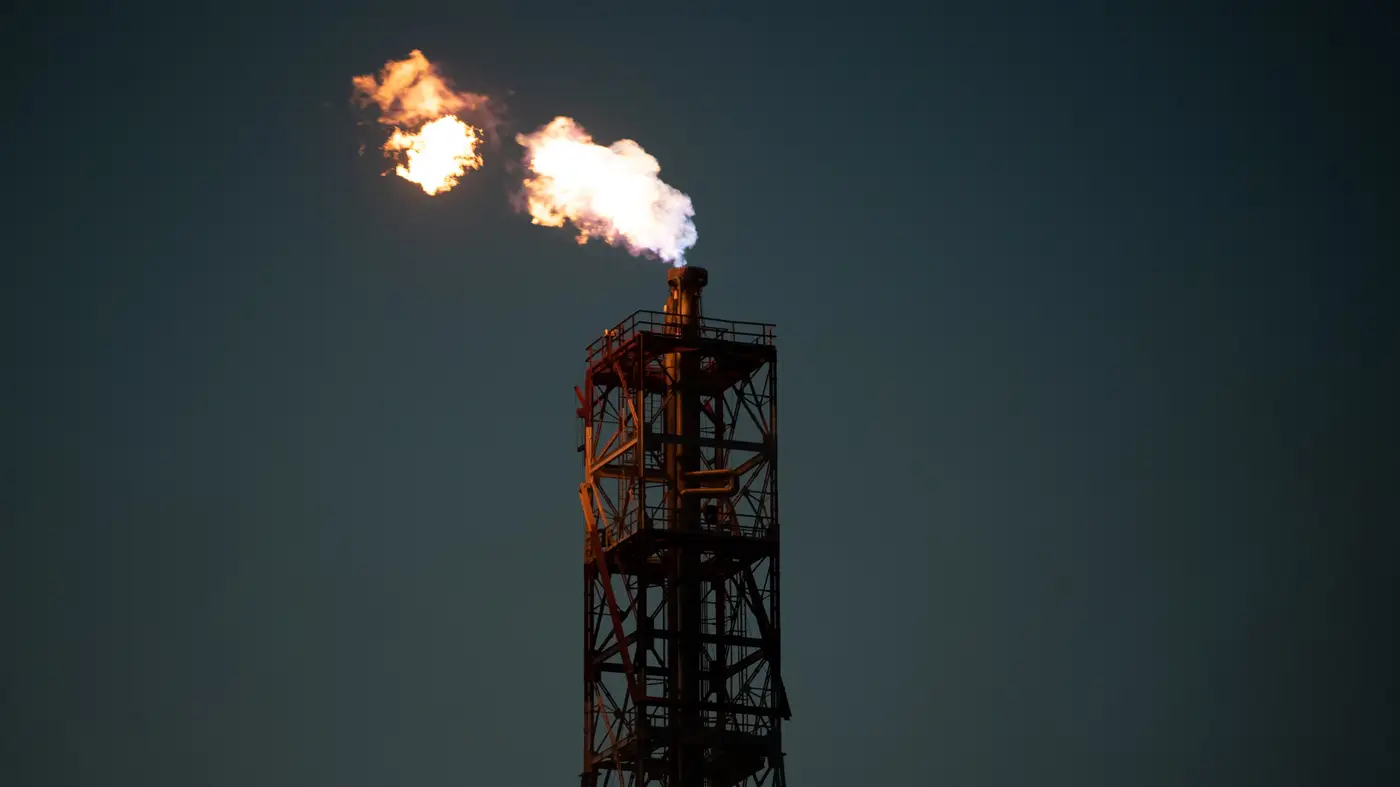
Three weeks into a routine read of one monitoring area, a single stack kept breaking the pattern. Everything around it looked like a normal production field: steady low-level flaring, the odd spike after a workover, the usual quiet stretches. This one stack lit up every Friday night and stayed lit through Sunday, then went dark by Monday morning. Not once, not twice. Six weekends running before anyone on the review side said it out loud.
The easy read is that something's wrong with the gas-to-sales line on weekends, and that's probably close to right. A lot of smaller batteries route associated gas to a compressor or a vapor recovery unit that needs a hand on it, and that hand goes home Friday afternoon. If nobody's on call to swap a line pack or nurse a VRU through a hiccup, the safe default is the flare. Most operators would rather flare than shut in a well over a staffing gap, so the gas burns until Monday's crew shows up and puts the system back where it belongs.
This kind of pattern is apparently common enough to have a name among people who watch flare stacks for a living, and nearly impossible to catch from monthly or quarterly reporting. An operator filing emissions estimates once a quarter has no reason to flag a weekend pattern buried inside an average. The number that lands on the regulatory filing is a total volume over the reporting period, smoothed across every day whether the flare ran six hours or sixty. Two fields with identical quarterly totals can have completely different operational stories: one flaring a little every day because the gas composition runs rich, the other flaring hard every weekend because nobody's minding the VRU. Same number on the page, a different story at the wellhead.
That gap between the reported total and the day-to-day behavior is exactly where a nightly pass earns its keep. A stack that cycles on a seven-day rhythm shows up as a shape across nights, something a single monthly total can't capture. Once you've got a nightly count and burn-size read across a monitoring area, a weekend-only flare stops looking like noise and starts looking like a staffing pattern you can go ask an operator about directly, instead of waiting for the next self-reported volume to maybe reflect it. Flare Monitoring keeps a nightly log like that running across a monitoring area, and it's worth a look if a weekly rhythm like this one is something your own filings would currently miss.
The other thing worth noting from this particular field is how long it took anyone to name the pattern. Six weeks of nightly images sat in a review queue, each night checked against the one before it rather than against a season or a quarter, before the shape became obvious. Intermittent flaring looks ordinary from the ground on any single night. It only reads as a pattern once enough nights line up side by side, and that's the real reason it took six weeks rather than six nights to spot. A single overflight or a one-off satellite pass would have caught this stack burning and moved on, with no way to know it was a Friday-through-Sunday habit rather than a one-time event.
Whether this particular weekend flare gets fixed by better VRU staffing or a bigger line-pack buffer isn't something imagery alone settles. What it can settle is whether the pattern exists, how long it's been running, and whether it's getting better or worse month to month. For an ESG desk trying to reconcile a company's self-reported flaring volume against what's actually happening at the stack, that's the part that matters most, and the part a quarterly number was never built to show. Worth running your own fields against a nightly read before the next filing closes.